
Many people choose to live in a Tiny House because they want to live more consciously. They long for a simpler lifestyle, with fewer possessions and a stronger connection to nature. Growing your own food fits perfectly with that philosophy. And the best part? You don’t need a large garden. Even just a few square metres can provide you with fresh herbs, vegetables and fruit throughout the growing season.
A vegetable garden doesn’t have to be big
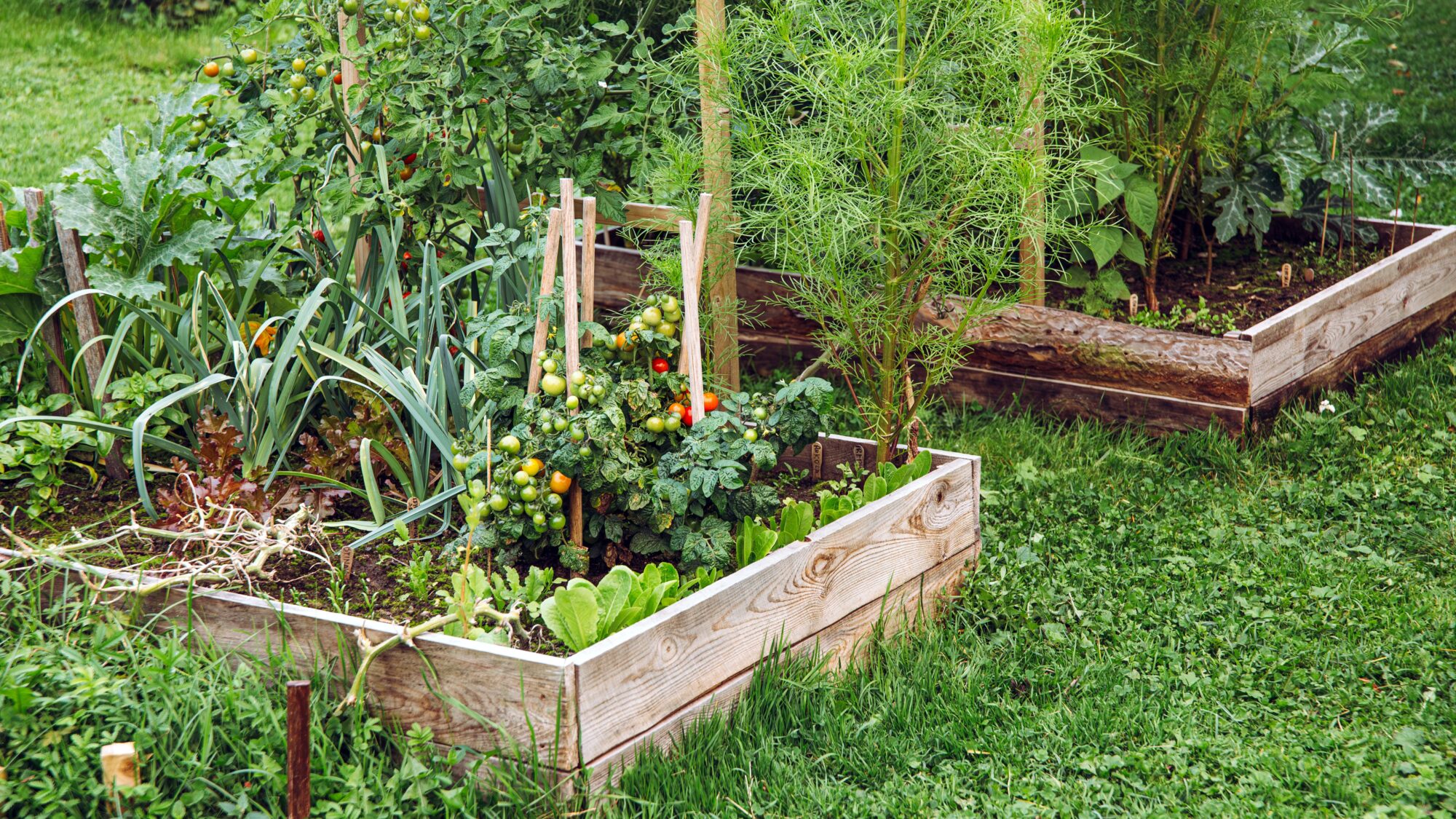
When you think of a vegetable garden, you might picture long rows of beans, courgettes, potatoes and many other crops. But a vegetable garden can be surprisingly small. A few herb plants, strawberries, cut-and-come-again lettuce or a tomato plant don’t require much space at all.
With just a few square metres of soil or a couple of raised beds, you can harvest fresh herbs and leafy greens for weeks during the growing season
You’ll start looking at food differently
When you grow your own vegetables, fruit and herbs, you naturally begin eating more seasonally. You see, smell and feel exactly when your crops are ripe and at their very best. You also discover how much time and care goes into growing food.
Perhaps you’ve sown the seeds yourself, nurtured the seedlings until they were ready to be planted outdoors, watered them during dry spells and added compost or organic fertiliser along the way. In short, you’ve invested your time and care in every plant. And you can taste the difference. As a result, you’re also far less likely to waste food.
Speaking of flavour, homegrown produce simply tastes better than supermarket vegetables. Without pesticides or synthetic fertilisers, nature can do what it does best. Vegetables and fruit that have grown naturally and are picked when fully ripe are incredibly flavourful, fresher than fresh and packed with vitamins.

You don’t need to be an experienced gardener
Even the most experienced gardeners will tell you that not everything goes according to plan. One year your courgettes may thrive while your beans struggle, the next your raspberries produce an amazing harvest while your broad beans fall victim to aphids. That’s all part of gardening.
Fortunately, some crops are very easy to grow. If you’re just getting started, sow a pot of basil on your windowsill. Buy a few organic herbs such as chives, parsley and thyme from your local garden centre and plant them outside. Before long, you’ll be cooking with fresh herbs from your own garden or even making your own herb butter. Cut-and-come-again lettuce is usually very forgiving, provided you can keep the slugs away, and strawberries are wonderfully rewarding plants too.
Once you’ve enjoyed your first harvest, chances are you’ll want to grow even more.
Making the most of a small garden
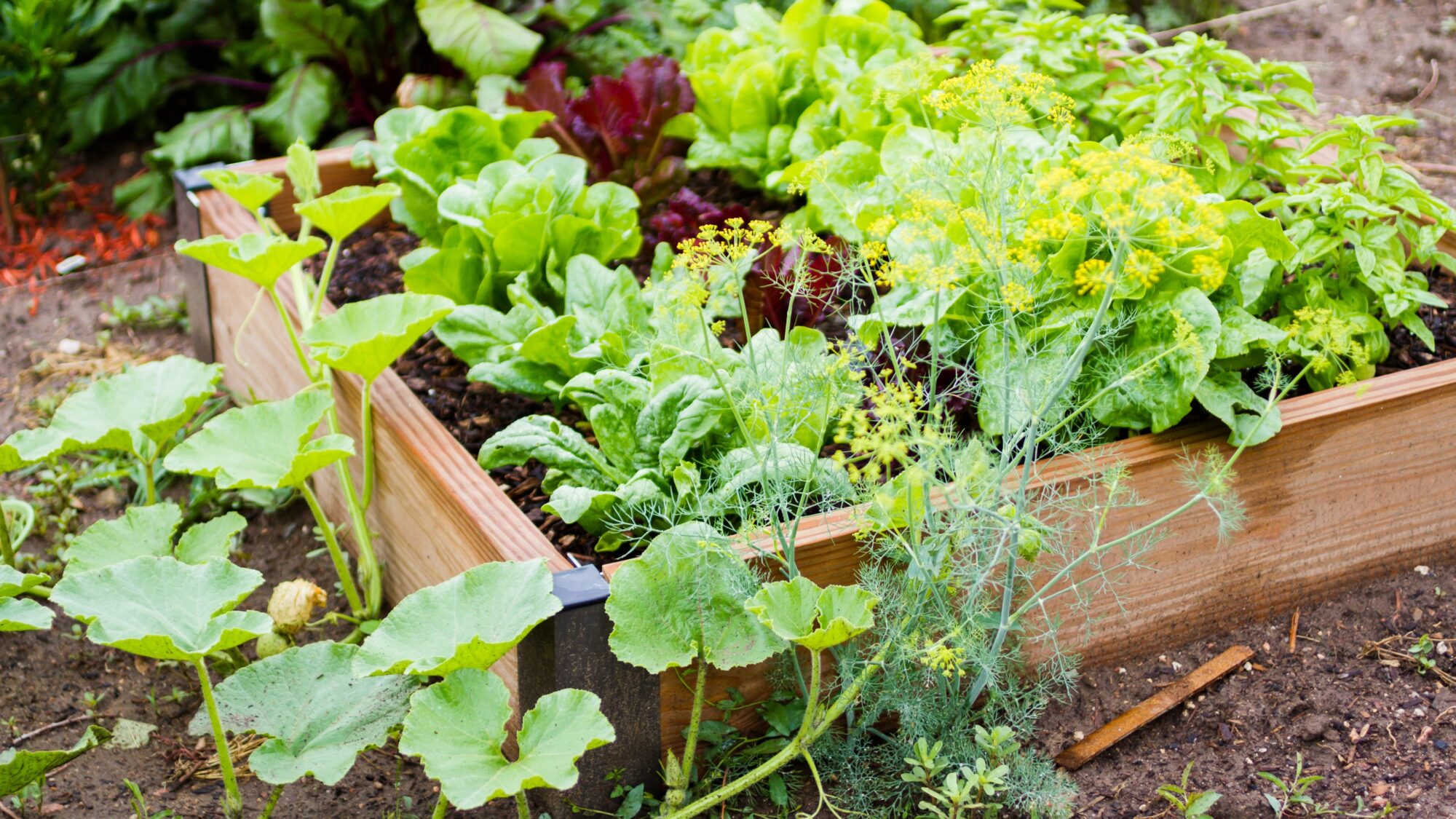
Do you have limited outdoor space, or is your garden mainly a deck, patio or veranda? Then gardening in square planters can be an excellent solution. Their straight shape makes efficient use of the available space, and they can also be used to create a natural border along the edge of your terrace or deck. They’re ideal for herbs, strawberries and salad greens, while larger crops are usually better suited to growing directly in the ground.
Don’t forget the flowers
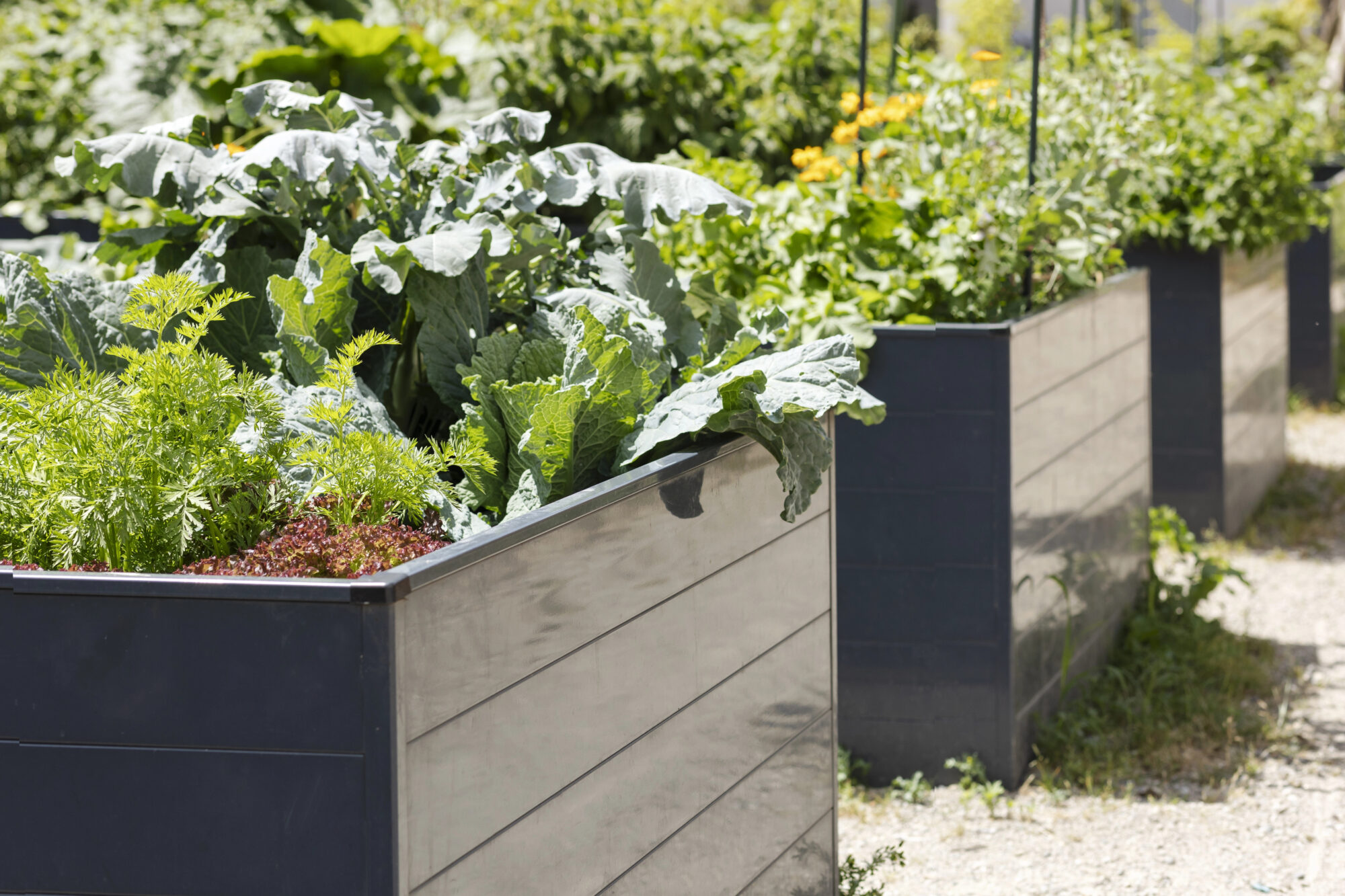
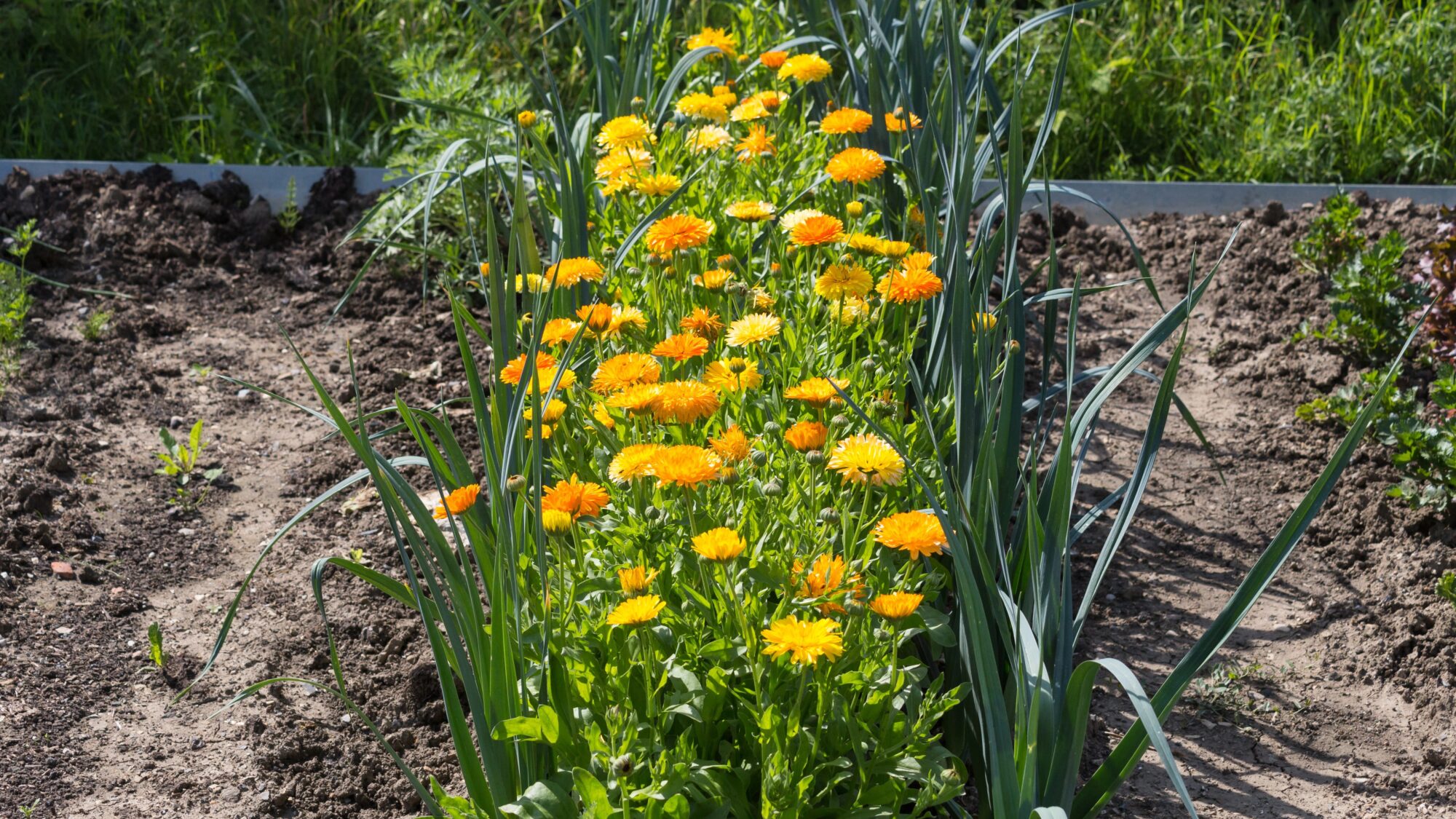
A vegetable garden doesn’t have to consist of vegetables and herbs alone. By mixing in flowers, you’ll attract bees, butterflies and other important pollinators. Many flowering plants help improve pollination, allowing crops such as courgettes, pumpkins and strawberries to produce even more fruit.
Flowers aren’t just good for nature; they’re a joy for you as well. Imagine stepping outside on a summer morning to pick a colourful bouquet for your kitchen table. Cosmos, zinnias, cornflowers and dahlias all make wonderful cut flowers, bringing colour to both your garden and your home for weeks. The more often you pick them, the more flowers they’ll produce. That way, you’ll enjoy not only fresh vegetables from your own garden, but also a continuous supply of beautiful, pesticide-free bouquets.
Just start
Growing your own vegetables, herbs and fruit is incredibly rewarding, but spending time in the garden is just as valuable. You’ll spend more time outdoors, move your body without even thinking about it and enjoy a welcome break from everyday life. Even digging your hands into the soil has been linked to wellbeing, thanks to the beneficial microorganisms living in healthy soil.
And honestly, what could be more satisfying than preparing a meal with ingredients you’ve grown yourself or placing a freshly picked bouquet from your own garden on the table?
So don’t worry if gardening seems complicated. Start small and treat it as an experiment. Maybe your first harvest will only be three strawberries and a handful of parsley. Just wait… they’ll taste absolutely delicious.
Happy gardening!
Images: Depositphotos.com
Leave a Reply